
You know that email that lands in your inbox and makes you click right away? It didn't happen by chance. Great email marketing campaigns combine planning, a good conversation with your audience and a bit of method.
In this guide, Estúdio Lepe explains in simple terms how to build campaigns that truly convert — campaigns that lead people to buy, request a quote or schedule a call. By the end, you'll also get to know the email platforms we use daily. Let's go!
Why Email Marketing Still Converts
Social media rules change all the time, and organic reach fluctuates. Email marketing works differently: the contact list is yours, and the message reaches people who asked to receive it.
That's why it remains strong among Brazilian companies. According to RD Station's Marketing and Sales Panoramas, 58% of companies use email frequently and another 26% use it for specific campaigns. RD Station also notes that companies that automate marketing in an integrated way tend to achieve higher conversion rates.
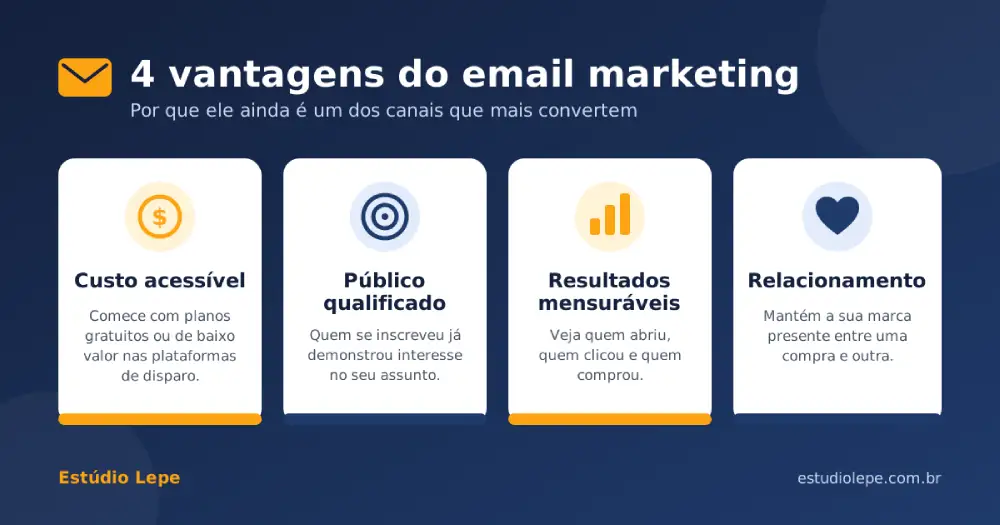
The most common advantages are:
- Affordable cost: you can start with free or low-cost plans on email platforms.
- Qualified audience: people who signed up already showed interest in your topic.
- Measurable results: you see who opened, who clicked and who bought.
- Relationship building: email keeps your brand present between purchases.
One important note: to send email marketing, you need to comply with data protection laws such as the GDPR (General Data Protection Regulation) and Brazil's LGPD. In general, this means having clear consent from the person and offering a simple way to unsubscribe. The Convergência Digital article on LGPD and email marketing offers good guidance, and ANPD is the official source on the topic in Brazil.
Step by Step: How to Create Email Marketing Campaigns That Convert
1. Define a Clear Goal
Before writing a single line, answer: what do I want the person to do after reading? Buy, request a quote, download a resource or schedule a call? Each campaign should have a single goal. This makes the message more direct and easier to measure.
2. Build a Permission-Based Contact List
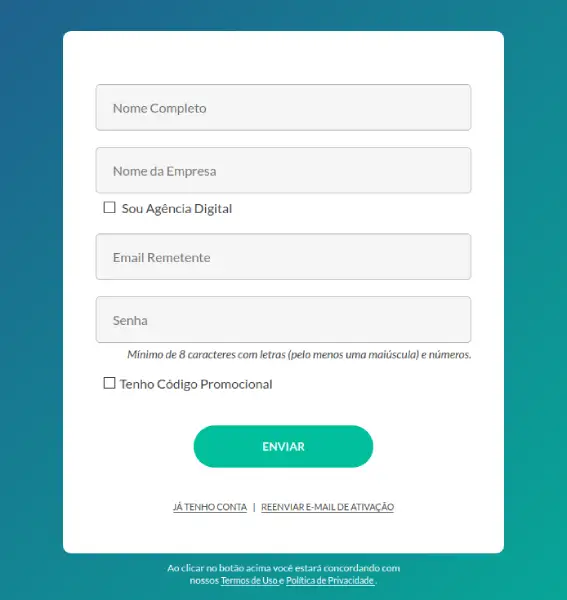
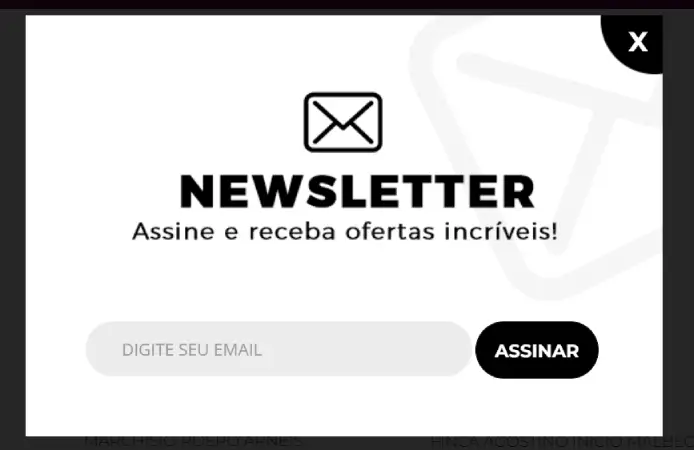
A good list is worth more than a big list. Invite people to sign up through website forms, landing pages, social media and customer service. Offer something in return — an e-book, a discount or a checklist — and always ask for consent clearly.
3. Segment Your Audience
Not everyone needs to receive the same message. Separate contacts by interest, buying stage or history. New subscribers can receive a welcome sequence. Past customers can get usage tips and news. Relevant messages generate more clicks.
4. Write a Subject Line That Sparks Curiosity
The subject line is the invitation to open the email. Be clear, short and honest, and focus on a benefit or a reader's pain point. Avoid writing everything in caps or using too many exclamation marks, as this can land the email in spam. Also use the preview text (preheader) to complement the subject line.
5. Write the Body Like a Conversation
Imagine you're writing to a single person. Use short sentences, a friendly tone and focus on what the reader gains. Start with the main point, break the text into small paragraphs and use the contact's name when it makes sense.
6. Use a Prominent Call-to-Action (CTA) Button
The CTA is the button or link that leads to the next step, like "Get my quote" or "Download now." Choose text that describes the action, make the button color stand out and, ideally, use only one primary CTA per email.
7. Take Care of Design and Mobile
Most people read email on their phones. That's why prefer single-column layouts, lightweight fonts, optimized images and easy-to-tap buttons. Remember that some people block images, so the text needs to work even without them.
8. Test, Measure and Improve
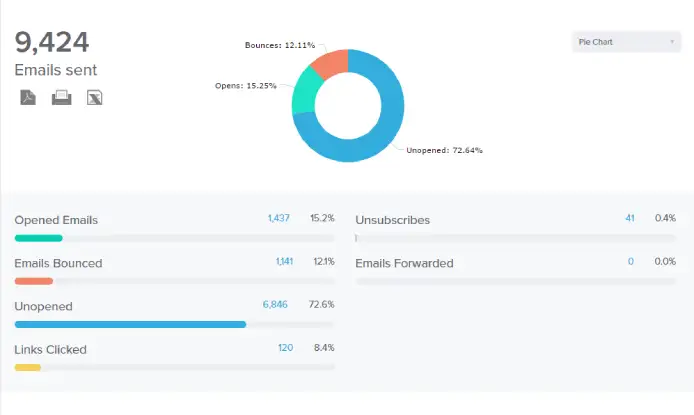
Run A/B tests: send two versions, changing only one element at a time (subject line, button or send time), and see which performs better. After sending, track these indicators:
- Open rate: shows whether the subject line and sender caught attention.
- Click-through rate: shows whether the content and CTA sparked interest.
- Conversions: shows how many people completed the desired action.
- Unsubscribes and spam complaints: signal when it's time to adjust frequency or segmentation.
Email Marketing Platforms Used by Estúdio Lepe
A good campaign needs a good sending tool. It handles delivery, contact organization, automation and reporting. At Estúdio Lepe, we work with three platforms and choose the most suitable one for each client's goals and budget:
| Platform | What it offers |
|---|---|
| SendPulse | Marketing automation with email, chatbot, SMS, web push notifications, landing pages and CRM in one place. |
| Mensagex | Brazilian email sending platform with local support. |
| Hostinger Email Marketing (Hostinger Reach) | Simple tool with AI-generated email templates, ready-made automations and open/click reports. |
How to Choose the Right Platform
- Want to automate client relationships? Platforms with automation flows, like SendPulse, help create welcome and follow-up sequences.
- Just starting out and want simplicity? Simple tools integrated with your website, like Hostinger Reach, speed up creating your first emails.
- Need sending with local support? A national platform, like Mensagex, may be the way to go.
Not sure where to start? We can help: we assess your list size, budget and goals, and recommend the best option.
Common Mistakes That Kill Conversions (and How to Avoid Them)
Even with good intentions, some missteps show up frequently in campaigns. Here are the main ones:
| Mistake | How to avoid it |
|---|---|
| Buying or borrowing contact lists | Build your own list with consent. This protects your domain reputation and complies with data protection laws. |
| Sending the same message to everyone | Segment by interest, buying stage and history. |
| Vague or exaggerated subject lines | Be clear, highlight a benefit and avoid promises the email doesn't keep. |
| Multiple CTAs competing with each other | Pick one goal and one primary button per campaign. |
| Ignoring mobile | Test the email on small screens before sending. |
| Hiding the unsubscribe link | Keep the opt-out link visible — this prevents spam complaints and keeps the list healthy. |
| Sending without measuring | Track opens, clicks and conversions, and use the data for your next campaign. |

Conclusion: Converting Campaigns Start with Planning
An email marketing campaign that converts is born from a clear goal, a permission-based list, messages designed for each segment and constant analysis of results. With the right tool and a bit of testing, every send gets better than the last.
Estúdio Lepe can handle all of it for you: from strategy and copywriting to design, sending and reporting. If you want to turn your contact list into conversations and sales, let's talk.